Time in business
Around six months of operating deposits is a common starting conversation.
Home · Industries · Construction
Industry
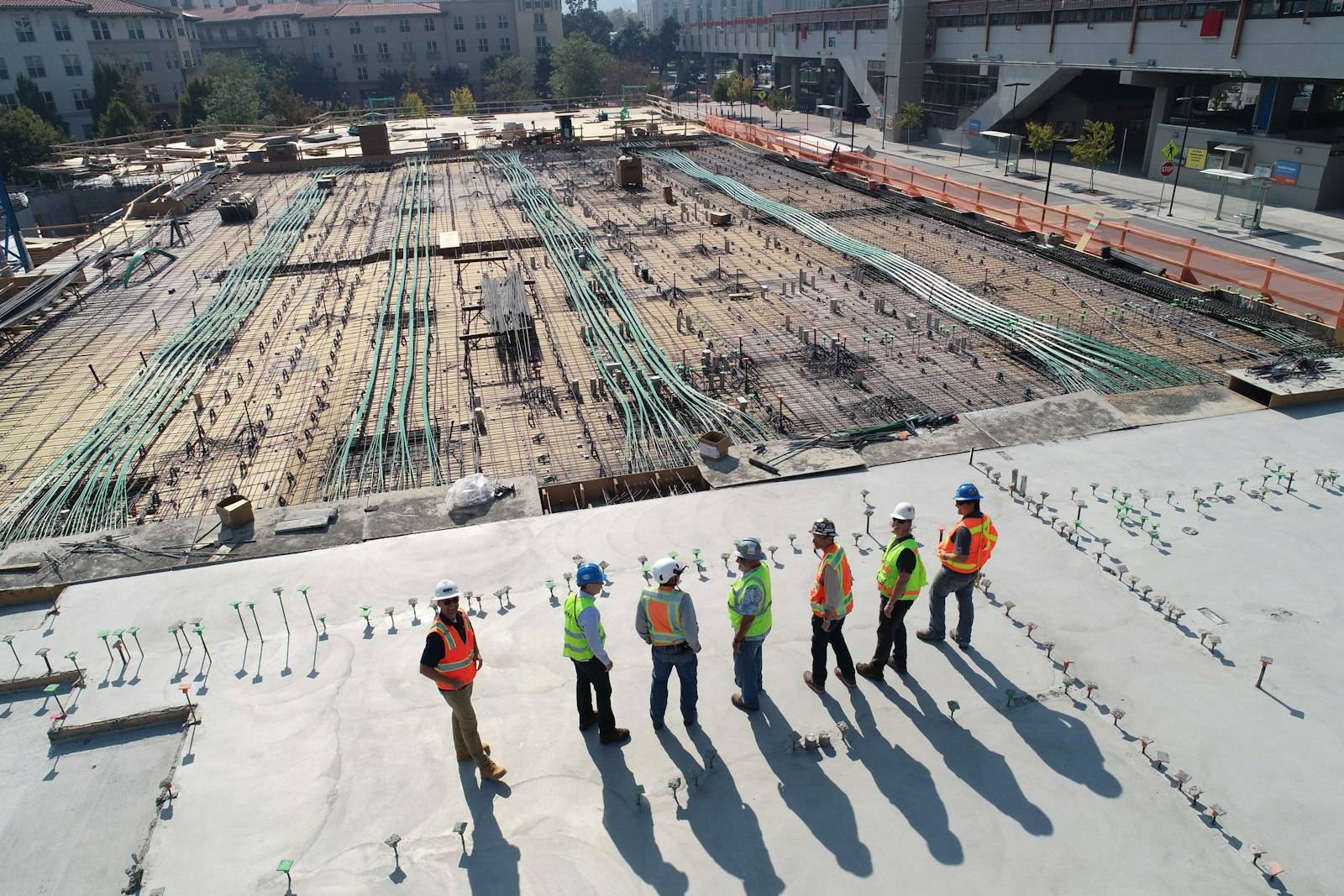
Trades pay crews and yards before the GC releases a draw. Heat, inspections, and change orders stretch the gap.

We look at specialty-trade concentration, materials bought ahead of pour or set, and whether retainage is already spoken for by another advance.
We read the deposit pattern for concentration in one GC, back-to-back draws that never quite clear, and existing advances already taking a daily or weekly bite. A single large receivable is not the same as a diversified book of work.
Structures we often discuss
Eligibility snapshot
Around six months of operating deposits is a common starting conversation.
Around $15,000 in monthly deposits is a common starting conversation. Project-heavy books need statements that show the pattern, not one lucky month.
Personal credit near 500+ is often discussed, along with existing obligations in the trade.
Concentration risk, bonded vs. unbonded work, and whether “growth” is simply more of the same GC that already pays late. Disclose existing advances early.
Soft inquiry to start. Applying is free and is not an offer of credit.